Biohazard Cleanup
Biohazard cleaning for homes, rentals, businesses and vehicles, with discreet crews and 24/7 emergency response.
Learn more →Hawaii · Hawaii County
Dealing with a death, a crime scene or a sewage backup in Kaloko, HI? Get the biohazard cleaning done, from blood and bodily fluid removal to odor treatment and full disinfection. Call (877) 812-4220 at any hour.
If anyone is in danger, call 911 first. For a suicide crisis, call or text 988.
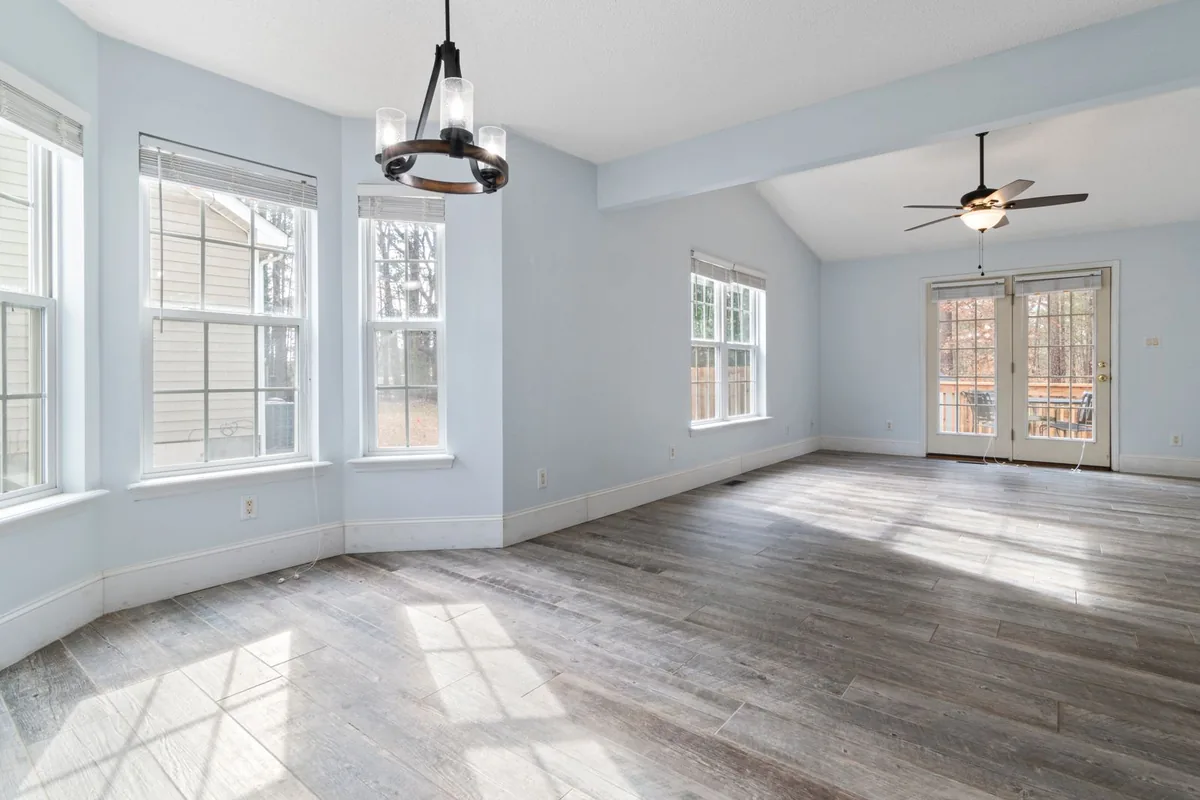
Bio cleanup covers more than crime scenes. It includes unattended deaths, suicides, accidents, hoarder houses, sewage backups and disease outbreaks. Whatever the cause, you can call Kaloko Biohazard Cleanup Help in Kaloko for houses, apartments, offices and vehicles.
Every job follows the same order. Assess the area, contain it, remove contaminated and hazardous materials, disinfect, treat odor and dispose of the waste under the rules. Crews are available 24/7 in Kaloko and throughout Hawaii County.
Older adults make up about 17% of residents in Kaloko, below the Hawaii average, so calls come from a broad mix of situations, including accidents, crime scenes and rental turnovers. The vacancy rate in Hawaii County is 18%, above the Hawaii average. Empty houses can sit unchecked, so sewage, animal waste, rodents and damage can build up unseen.
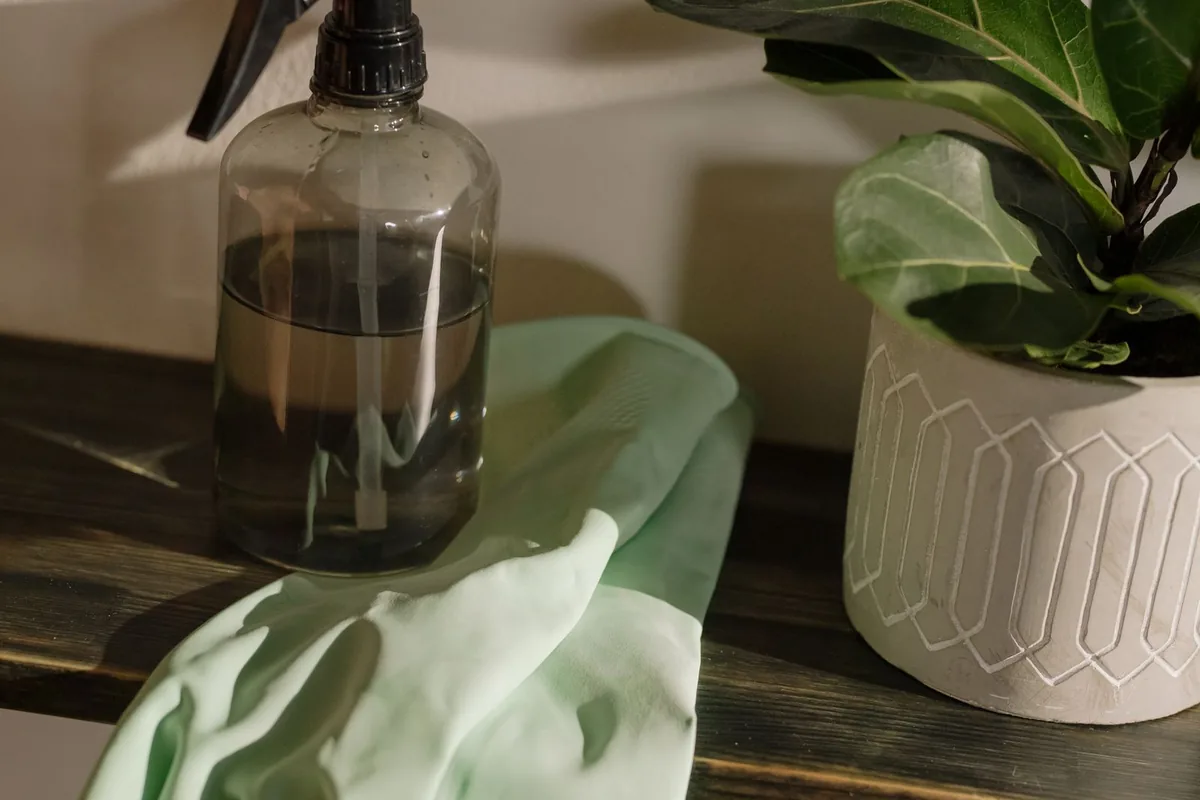
Household gloves and a spray bottle do not meet the standard for infectious materials. Biohazard decontamination follows 29 CFR 1910.1030, which sets rules for protective equipment, handling and disposal when blood or other potentially infectious materials are present.
Hard surfaces get deep cleaning and a hospital-grade disinfectant from the EPA-registered list. Porous materials such as carpet, padding, mattresses and drywall that hold contamination are cut out and removed, because they cannot be made safe by wiping.
Biohazard cleanup is not one job. The list below breaks down the services open to Kaloko families, landlords and business owners.
Biohazard cleaning for homes, rentals, businesses and vehicles, with discreet crews and 24/7 emergency response.
Learn more →Discreet forensic cleaning for homes, rentals, businesses and vehicles, with odor removal and waste disposal.
Learn more →Trauma cleaners remove blood, bodily fluids and odor after injuries, violent events and sudden emergencies.
Learn more →Respectful biohazard cleanup for homes and rentals after an unattended death.
Learn more →Compassionate cleaning after a loss, with keepsakes set aside and the room returned safe.
Learn more →Homicide cleaners remove contaminated materials, disinfect every affected surface and prepare records for insurers.
Learn more →Blood removal, disinfection and waste disposal for floors, carpet, walls and furniture after an injury or accident.
Learn more →Commercial feces cleanup and body fluid cleaning for restrooms, shops, schools and care sites.
Learn more →Commercial feces cleanup and urine odor control for restrooms, shops, schools and care sites.
Learn more →Finds the source of a death odor and removes it, instead of masking it with sprays.
Learn more →Hauling, disinfecting and odor removal for crowded homes, without judgment or pressure.
Learn more →Trash, donation and recycling hauled out of crowded homes, followed by a thorough clean.
Learn more →Respectful animal hoarder cleanup for owners, landlords and families, done step by step.
Learn more →Filth cleanup for kitchens, bathrooms and living areas, with odor treated at its source.
Learn more →Sewage restoration that clears contamination and odor so repairs can safely begin.
Learn more →Biohazard decontamination after outbreaks, with protective gear, set order of work and sealed disposal of waste.
Learn more →Detailed decontamination after blood, sewage, animal waste or infectious illness, using EPA-registered disinfectants.
Learn more →Safe collection of used needles, syringes and contaminated supplies, with proper containers and transport.
Learn more →Found a needle? A cleanup team searches the area, removes every sharp and disinfects what it touched.
Learn more →Safe removal of sharps and drug use items, with disinfection and odor treatment afterward.
Learn more →Clear steps for owners who suspect meth contamination, from first sample to final report.
Learn more →Fentanyl residue removal with protective gear, soft material removal and proper disposal.
Learn more →Chemical spill cleanup with containment, decontamination and records for insurers, buyers and inspectors.
Learn more →Hazmat cleaning for pavement, soil, buildings and equipment, with protective gear and lawful waste disposal.
Learn more →Irritant residue removed from walls, floors, fabrics and vents after tear gas or pepper spray is released.
Learn more →Droppings cleanup in kitchens, garages, ductwork and storage rooms with protective gear and sealed disposal.
Learn more →Removal of insulation soaked with guano, plus odor treatment and sanitizing of the structure.
Learn more →Dead animal removal from walls, attics, crawl spaces and vents, with disinfection and odor treatment.
Learn more →Hazmat car cleaning with protective gear, EPA-registered disinfectants and sealed disposal of contaminated parts.
Learn more →Accident scene cleanup for homes, stores, offices and vehicles, handled quietly with protective gear.
Learn more →Workplace biohazard cleanup that contains the area, removes contamination and documents the work for insurers.
Learn more →Careful clearing of a home after a death, with biohazard cleanup first when it is needed.
Learn more →A cleanup specialist answers the call, then a technician inspects the site, identifies every biohazard and plans the remediation process. At a crime scene, work starts after law enforcement releases the property.
The affected area is sealed off with plastic sheeting and air filtration so contaminants and odor cannot spread. Technicians put on PPE before they enter.
Soaked carpet, padding, upholstery and drywall are cut out and bagged. Hard surfaces, tools and fixtures are cleaned and disinfected in place.
Air scrubbers and odor equipment clear the room, the crew inspects the result, and the property is handed back ready for repairs, insurance or use.
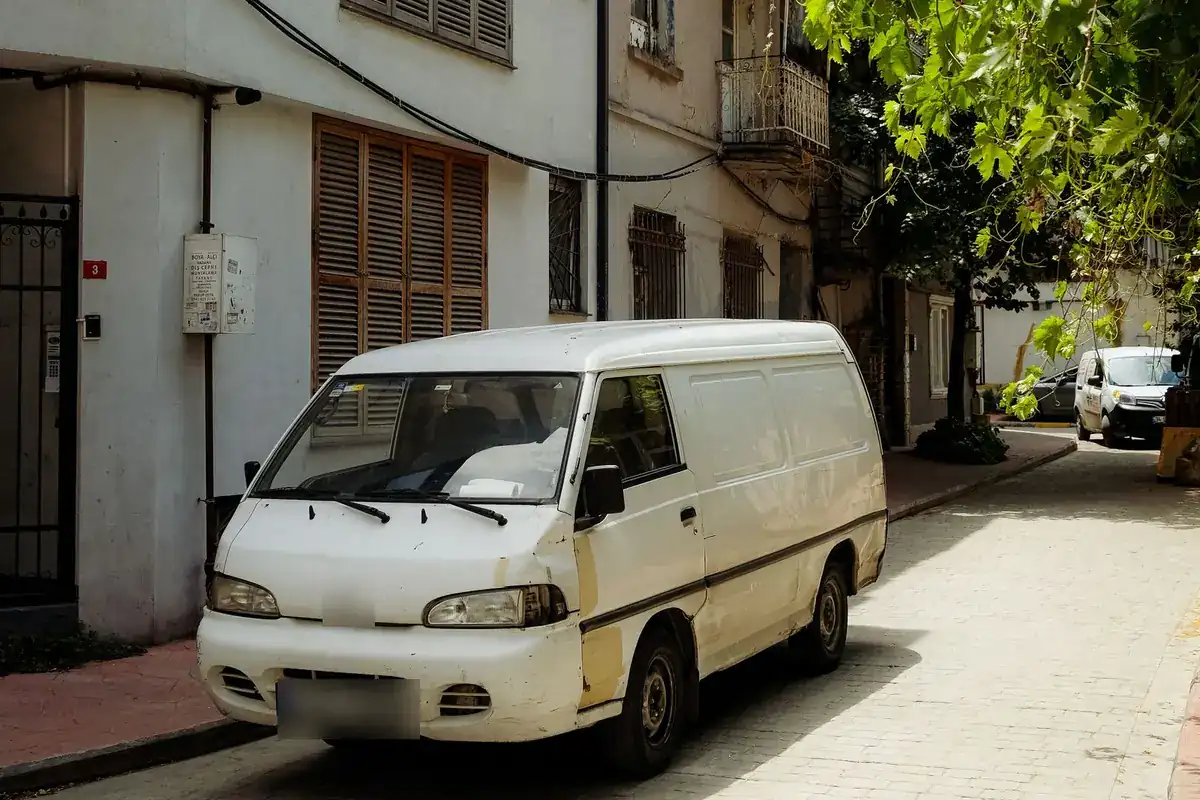
Cleanup covers houses, apartments, rentals, offices, churches, shops and cars or trucks, with plans that fit each type of property.
Calls are answered day and night. Crews arrive in unmarked vehicles and work quietly, so neighbors are not told what happened.
One biohazard cleanup company covers removal, disinfection, odor removal and damaged materials, so the family can step back.
Cleanup technicians know families may be grieving. They keep conversations short, kind and free of judgment, and they treat belongings with care.
Biohazard cleanup in Kaloko, HI typically costs $500 to $25,000, depending on the type of biohazard, the size of the affected area and how far fluids soaked into porous materials.
Most residential jobs cost $3,000 to $5,000 (Fixr). Access and building type play a role too. A vehicle, a single bathroom, a rental unit and a large commercial space all call for different crews, equipment and hours.
| Type of job | Typical range |
|---|---|
| Blood spill cleanup, small area | $500 - $2,500 |
| Crime scene cleanup, most homes | $1,500 - $7,500 |
| Unattended death cleanup | $2,000 - $7,000 |
| Suicide cleanup | $1,500 - $5,500 |
| Sewage cleanup, most homes | $2,000 - $10,000 |
| Hoarding cleanup, level 3 home | $2,000 - $5,000 |
| Meth lab cleanup, typical | $15,000 - $20,000 |
Estimates only, not a quote. Sources: Fixr, Yelp Costs, BioCleaners Directory, PushLeads, Dropcurb, Bob Vila and cleanup company cost guides. Call (877) 812-4220 to talk through the job.
Hoarder homes can hide rotting food, animal waste, mold and pests, along with fire and structural hazards. Hoarding cleanup sorts belongings and restores a livable condition.
Failing septic systems and sewer backups push raw sewage, a Category 3 biohazard, into homes. Sewage cleanup removes contaminated materials and disinfects every surface.
An average July high of 86 degrees in Kaloko speeds up decomposition after a death. The sooner the scene is released and cleaned, the less the odor and fluids spread.
Offices, shops, churches and other public spaces may need cleanup after an injury, illness outbreak or break-in. The work is planned around staff, customers and reopening dates.
Cars, trucks and work vehicles can carry biohazards after an accident, assault or medical event. Vehicle cleanup removes contaminated upholstery and disinfects every surface and vent.
Hawaii County has a Relatively High river flood risk rating from FEMA. Floodwater mixes with sewage, and anything it touches needs full biohazard cleaning, not just drying.
Biohazards are biological materials that can spread disease and cause serious health risks. Cleanup technicians look at two things on every job: what kind of biohazard is present, and how far it has spread. Together they set the safety steps, the timeline and the cleanup cost.
Yes, when the source is removed and treated. The crew takes out the contaminated materials, disinfects the surfaces, and uses HEPA air scrubbers and hydroxyl or ozone equipment to clear the air, rather than masking the smell.
Biohazard cleaning is the safe removal of infectious or contaminated material and the disinfection of whatever it touched. Crews wear protective equipment, remove porous materials that cannot be made safe, and dispose of the waste under medical waste rules. It goes far beyond ordinary housecleaning.
Ask whether the crew follows OSHA bloodborne pathogen rules, uses EPA-registered disinfectants, disposes of waste lawfully and can document the work for insurance. Compare how biohazard cleanup companies explain scope, cost range and privacy, and be cautious about anyone who pressures you to sign on the spot.
Yes. Raw sewage is treated as Category 3 water because it can carry bacteria such as E. coli, viruses and parasites. Porous materials it touches usually must be removed, and the rest is cleaned and disinfected.
It means discreet removal of blood, bodily fluids and affected materials, followed by full disinfection and odor treatment, so the family never has to face the scene. If you or someone you know is thinking about suicide, call or text 988 to reach the 988 Suicide and Crisis Lifeline.
OSHA's Bloodborne Pathogens Standard, 29 CFR 1910.1030, sets rules for protective equipment, handling, training and disposal when workers face blood or other potentially infectious materials. Biohazard cleanup crews follow it on every job.
Yes. Kaloko has about 1,432 residents, and the same biohazard cleanup services are available in Kaloko and across Hawaii County. Call (877) 812-4220 to talk through the job.
It can. Hawaii County has a Relatively High river flood risk rating from FEMA. Wherever floodwater or a sewer backup enters a home, the water is treated as Category 3 and needs full cleaning and disinfection.
Need a local biohazard company in Kaloko or nearby communities, including Kaiminani, Holualoa and Hilo, the Hawaii County seat? Call Kaloko Biohazard Cleanup Help at (877) 812-4220 from any of them.
Call (877) 812-4220 day or night and a cleanup specialist will answer.
Call (877) 812-4220